What Is a Trading Platform?
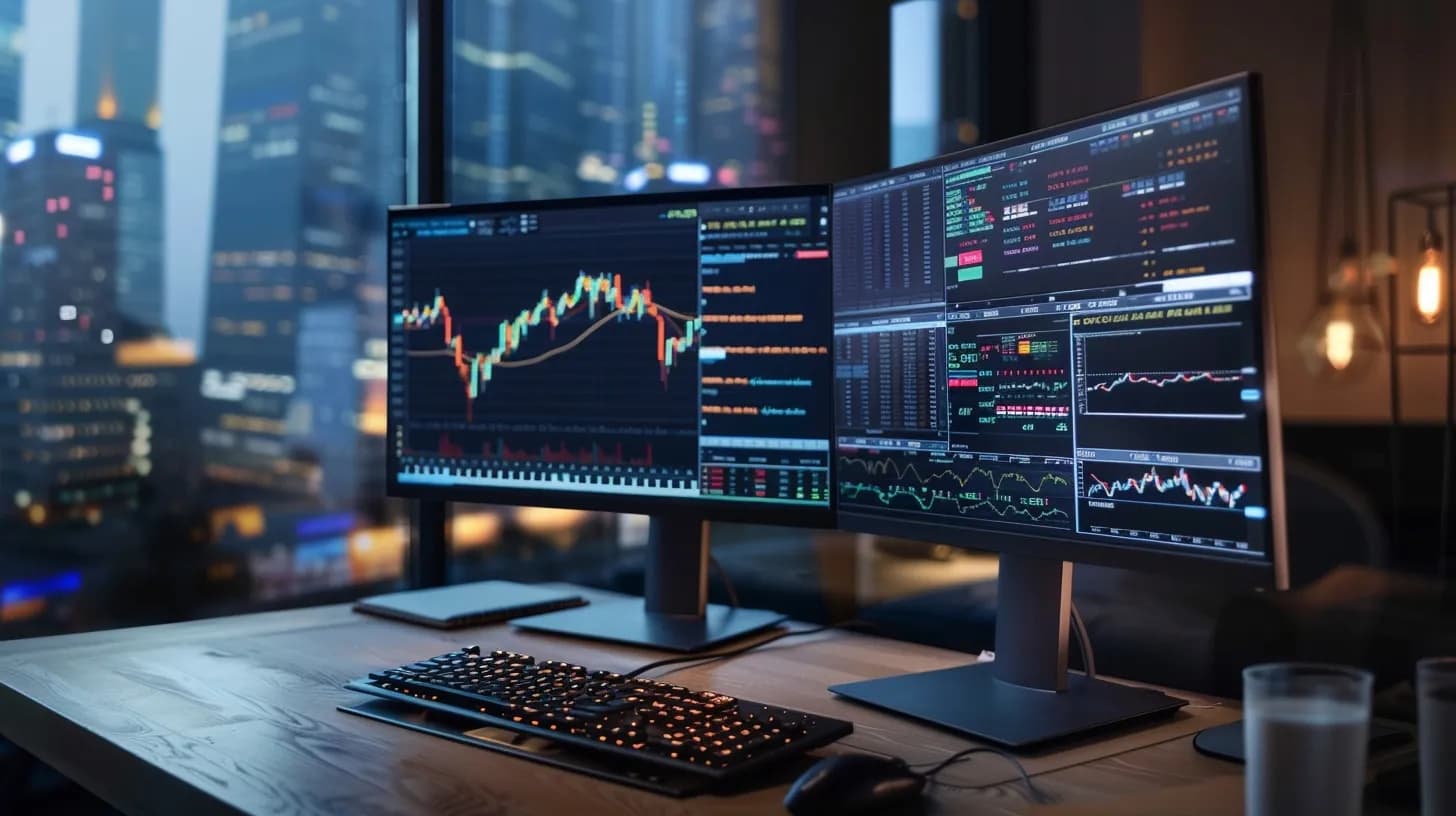
A trading platform is the software you use to actually place and manage trades in the market — think of it as the cockpit that sits between you and an exchange. Instead of calling a broker on the phone to buy or sell, you log into an application, on desktop, in a browser, or on your phone, that streams live prices, lets you submit orders, and shows you what you currently hold. Most brokers hand out platform access for free, or bundle it into the cost of maintaining an account, because the platform is really the delivery mechanism for the trading relationship, not a separate product sold on its own.
How a Trading Platform Actually Works
Underneath the interface, a trading platform is connective software: it takes an order you type or click, checks whether your account can support it, routes it to a market or liquidity provider for execution, and reports the fill back to your balance and position list in close to real time.
The account types available through a platform vary by provider, but common options include a standard cash account, a margin account that lets you borrow to increase buying power, and tax-advantaged retirement accounts. Whichever type you choose, the same platform is typically used to trade across asset classes — shares, ETFs, bonds, options, futures, or currency pairs — although some platforms specialize narrowly in just one of these markets instead of covering all of them.
Beyond order entry, most platforms bundle in a layer of decision-support tooling: live quote feeds, customizable charts, a rolling news ticker, and sometimes third-party research reports. None of it executes a trade for you, but it's what turns a bare order form into something you can actually use to form a view before you click buy or sell.
Retail Platforms vs. Institutional Systems
Not every trading platform is built for the same audience. Broadly, the software splits into two camps depending on who it's designed to serve.
Broker-Provided Platforms
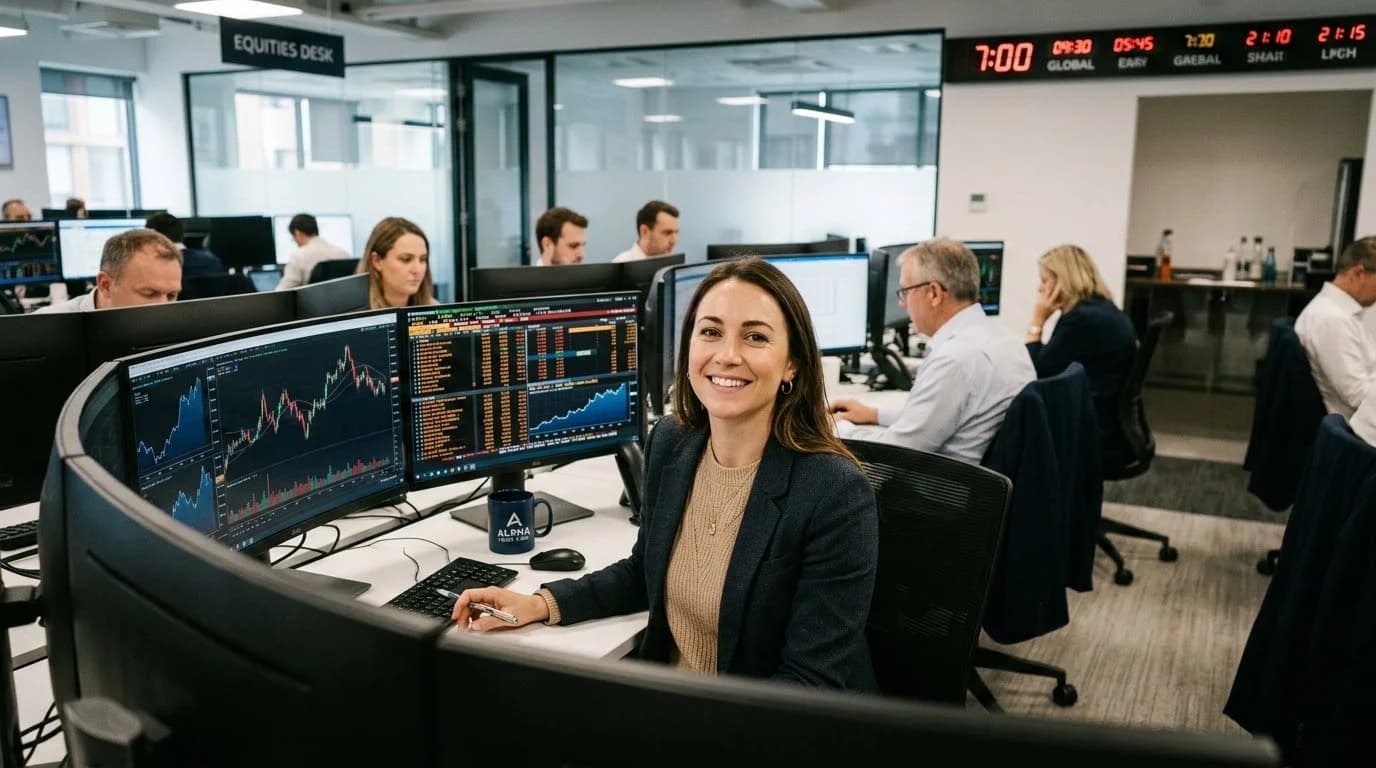
These are the applications retail traders encounter every day — the software a brokerage gives you when you open an account with them. They're built to be approachable across a wide range of skill levels, wrapping order entry, charting, streaming news, and educational material into a single interface. Because the audience ranges from first-time investors to active day traders, these platforms tend to prioritize clarity and broad feature coverage over deep specialization.
In-House Institutional Platforms
Large banks, hedge funds, and brokerages also build proprietary systems purely for their own trading desks. These are engineered for direct, low-latency market access and tuned to the specific workflows of professional traders, not for public sign-up. There's no download link for one; access comes as a byproduct of working at, or trading through, the institution that built it.
Evaluating a Platform Before You Commit
Once you understand what a platform is supposed to do, comparing your options comes down to a handful of practical questions rather than a marketing checklist. Four areas tend to matter most.
Execution Quality and Analytical Tools
How fast and reliably does the platform get an order filled, and what does it give you to make that decision in the first place? Traders working on short time frames often need Level 2 market depth, showing the stack of bids and offers behind the current price, along with configurable charts and a library of technical indicators. If you trade options, look specifically for strategy-testing and payoff-analysis tools, since a generic charting package usually won't cover multi-leg positions well.
Cost Structure
Commissions, spreads, data fees, and account-inactivity charges all eat into returns differently depending on how you trade. Someone placing dozens of trades a day feels a per-trade fee far more than someone holding a position for months, so weigh the fee schedule against your own trading frequency rather than judging it in isolation. It's also worth remembering that a rock-bottom fee schedule sometimes comes bundled with a thinner feature set, so the cheapest option on paper isn't automatically the best value.
Broker Reliability and Regulatory Standing
The platform is only as trustworthy as the firm operating it. Check who regulates the broker, how long they've been in business, and how they handle client funds, since a slick interface built on a shaky broker isn't worth much. It's also worth digging into the platform's uptime history and how it performs during high-volatility news events — a platform that freezes or lags exactly when the market moves fastest can turn a manageable loss into a much larger one, and that kind of failure rarely shows up in a features comparison chart.
Account Eligibility and Minimums
Some platforms gate access behind specific requirements. Frequent day trading in certain markets can require maintaining a minimum equity balance and margin approval, and options trading is usually tiered, with more advanced strategies requiring a separate approval level. Confirm you actually qualify for the features you want before assuming they'll be available to you on day one.
Desktop, Mobile, and Demo Access
Most modern platforms now ship in at least two forms: a full desktop or browser application for deep analysis, and a companion mobile app for checking positions and reacting to the market on the go. The two aren't always feature-equal — a mobile app frequently trims down the charting tools and order types available on desktop in exchange for a lighter, faster interface — so if you plan to trade actively from your phone, confirm the mobile version actually supports the order types and monitoring you rely on, rather than assuming parity.
Many providers also offer a demo or paper-trading mode that mirrors live pricing without risking real capital. It's a useful way to get comfortable with a platform's order entry and charting before committing money, and a reasonable habit even for experienced traders whenever they switch to an unfamiliar platform.
What Funded Traders Should Check Before Going Live
For traders working through a funded-account program like TEFS, the platform question comes with an extra layer: it's not just about what you like using, it's about what the account rules actually permit. Before you start trading a challenge or funded account, confirm which platforms are supported (commonly MT4, MT5, or similar multi-asset terminals), whether automated strategies or expert advisors are allowed, and whether the price feed and execution you're seeing matches the server your account actually runs on.
It's also worth testing the platform's behavior around your firm's specific risk rules — how it displays your live drawdown, whether it flags you as you approach a daily loss limit, and how reliably it reports fills during volatile sessions — since a platform quirk that would just be an inconvenience on a personal account can cost you a funded account entirely if it obscures where you actually stand against the rules.
The Takeaway
Strip away the marketing and a trading platform is simply the layer of software that turns your market view into an actual position — nothing more mystical than that. What separates a good fit from a bad one is whether its execution, cost, tooling, and reliability line up with how you personally trade. Test a platform on a demo account, read the fine print on fees and eligibility, and confirm the broker behind it is one you trust with your capital before you ever fund it for real.